Instant coffee has not remained just a backup option; it is becoming a primary choice for millions of people. In 2026, the instant coffee market has surged past $2.5 billion in U.S. sales, which is driven by a simple shift, as people want to have speed without scarifying on the taste.
For years, instant coffee had a reputation problem. It was a quick, yes, but usually bitter, flat and quite forgettable. That traded off convenience vs flavour defined the category.
That’s now changing quite fast.
A new generation of brands is using the freeze-drying technology, speciality-grade beans and transparent sourcing to majorly improve the quality. The result?Instant coffee, which actually tastes close to freshly brewed coffee.
To cut through the hype, I tested 25+ instant coffee brands based on:
- Taste and aroma
- Smoothness and aftertaste
- Value per serving
- Ingredient quality
The results were clear: freeze-dried coffees consistently outperform the traditional spray-dried powders. Brands such as Mount Hagen and newer speciality players are leading this shift.
In this guide, you’ll discover:
- How instant coffee is made (and why it matters)
- What separates cheap from premium
- The top 10 instant coffee brands in 2026
- Health facts competitors rarely cover
- Sustainability insights
- Brewing tips to improve taste instantly
How Instant Coffee Works
Spray-Dried Coffee
Spray drying is the most commonly used method due to its speed and low cost
Here is how it works :
- Coffee is brewed in large batches
- The liquid is sprayed into a chamber of hot air (200–250°C)
- Water evaporates instantly, leaving fine powder
While efficient, this high-heat process causes a significant loss of volatile aroma compounds, such as the molecules responsible for the complex flavour of the coffee.
Pros:
- Low cost
- Fast production
Cons:
- Reduced aroma complexity
- Slightly harsher taste
Freeze-Dried Coffee
Freeze-drying is a more advanced step, which is designed to preserve the flavour of the coffee.
Process:
- Brewed coffee is frozen
- Placed in a vacuum chamber
- Ice sublimates directly into vapour
This preserves more of the original character of the coffee, including its aroma and oils. Freeze-drying helps preserve volatile aroma compounds more effectively than high-heat drying methods.
Pros:
- Better flavor retention
- Smoother taste
- Higher-quality texture
Cons:
- More expensive
| Factor | Spray-Dried | Freeze-Dried |
| Heat | High | Low |
| Flavor retention | Moderate | High |
| Cost | Low | Higher |
| Texture | Powder | Granules |
What Makes Instant Coffee “Premium”
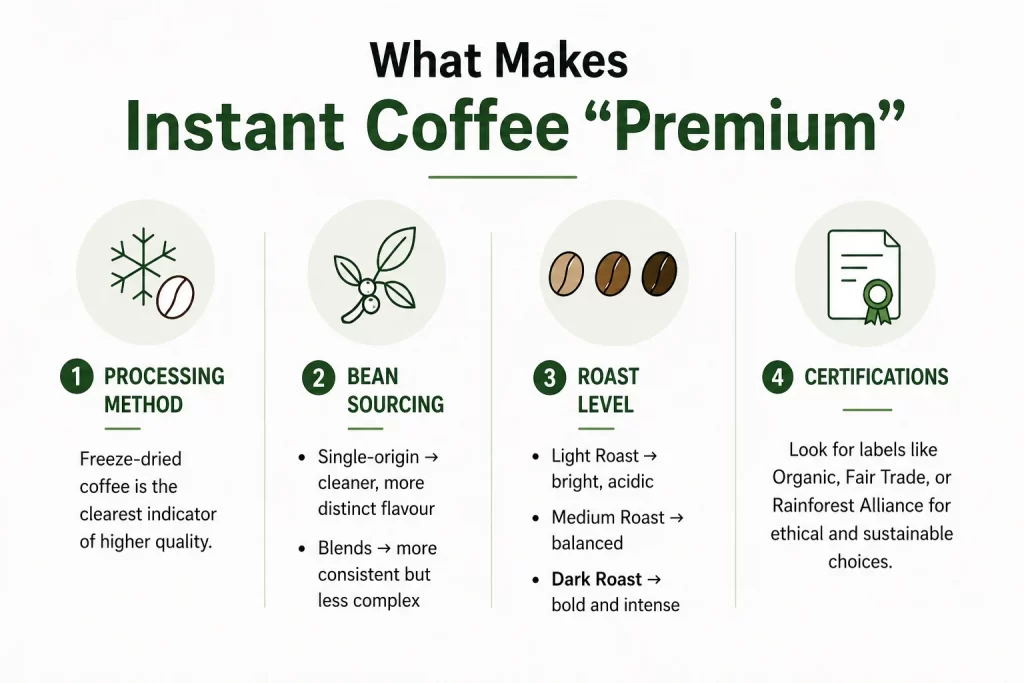
1. Processing Method
Freeze-dried coffee is the clearest indicator of higher quality.
2. Bean Sourcing
- Single-origin → cleaner, more distinct flavour
- Blends → more consistent but less complex
3. Roast Level
- Light roast → bright, acidic
- Medium → balanced
- Dark → bold and intense
Grind consistency and extraction also influence flavour quality far more than most people realise. Read our guide on how to grind coffee beans properly.
4. Certifications
| Certification | Meaning |
| Organic | No synthetic chemicals |
| Fair Trade | Ethical sourcing |
| Rainforest Alliance | Sustainable farming |
Fair Trade and Rainforest Alliance certifications are commonly used to support ethical sourcing and sustainable farming practices.
Buyer Personas
| Persona | Best Option |
| Office worker | Nescafé (easy, affordable) |
| Traveller | Waka Coffee (portable sachets) |
| Coffee enthusiast | Freeze-dried single-origin |
| Gamer/night worker | Strong blends |
Top 10 Instant Coffee Brands in 2026
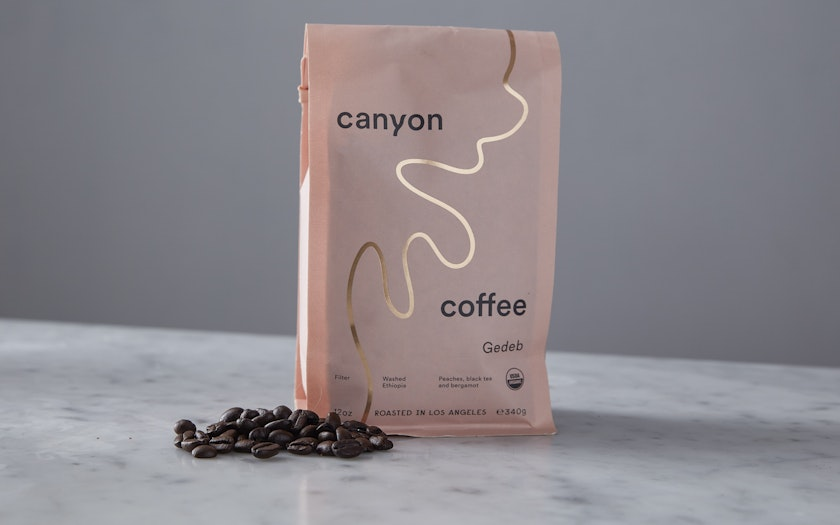
1. Canyon coffee
Score: 9.2/10
Taste: Smooth, balanced, low bitterness with a clean finish
Edge: Speciality-grade beans and transparent sourcing
Brew Tip: 1 tsp per 6–8 oz water
Canoyan coffee stands out for delivering a cup which feels closest to freshly brewed. The flavour is layered, with mild sweetness, low acidity and a clean aftertaste. It is ideal for people who are upgrading from basic instant coffee.
Pros: Excellent balance, high-quality beans
Cons: Premium pricing
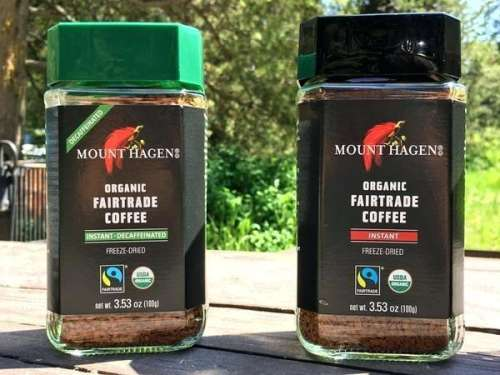
2. Mount Hagen (Best Organic)
- Score: 9.0/10
- Taste: Mild, slightly nutty
- Edge: Organic and fair-trade certified
Mount Haegen is one of the most reliable premium instant coffees. It provides you with a clean, smooth taste without any kind of harsh bitterness, which makes it a great everyday option.
Pros: Ethical sourcing, consistent quality
Cons: Less bold flavour
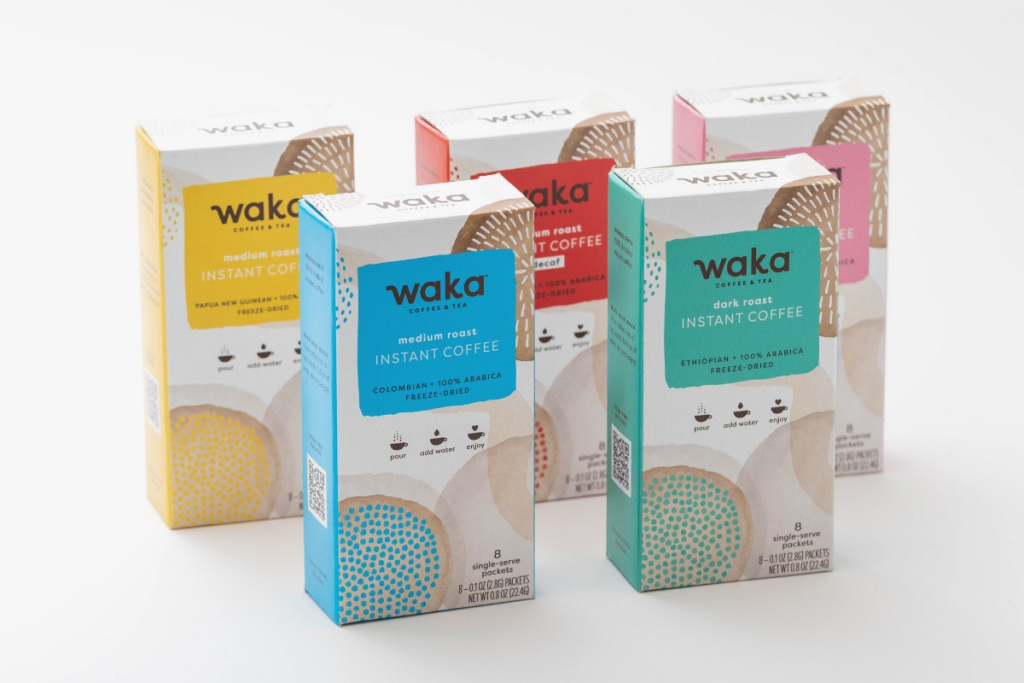
3. Waka Coffee (Best for Travel)
- Score: 8.9/10
- Taste: Smooth with light fruity notes
- Edge: Travel-friendly packaging
Waka Coffee is designed for convenience without compromising too much on flavour. It dissolves easily and goes well with both hot and cold.
Pros: Portable, consistent
Cons: Slightly expensive
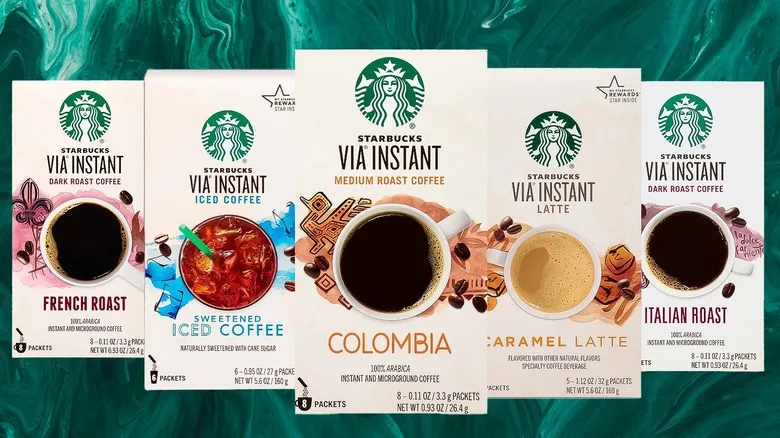
4. Starbucks VIA
- Score: 8.5/10
- Taste: Bold, dark roast
- Edge: Familiar café-style profile
Starbucks VIA appeals to those who enjoy strong, dark coffee. It delivers a recognisable flavour similar to what you expect from a standard café brew. While it’s more intense, the bitterness can be noticeable if overused.
You can check low-calorie Starbucks drinks that you can make it using VIA.
Pros: Widely available
Cons: Slight bitterness
5. Nescafé (Best Budget)
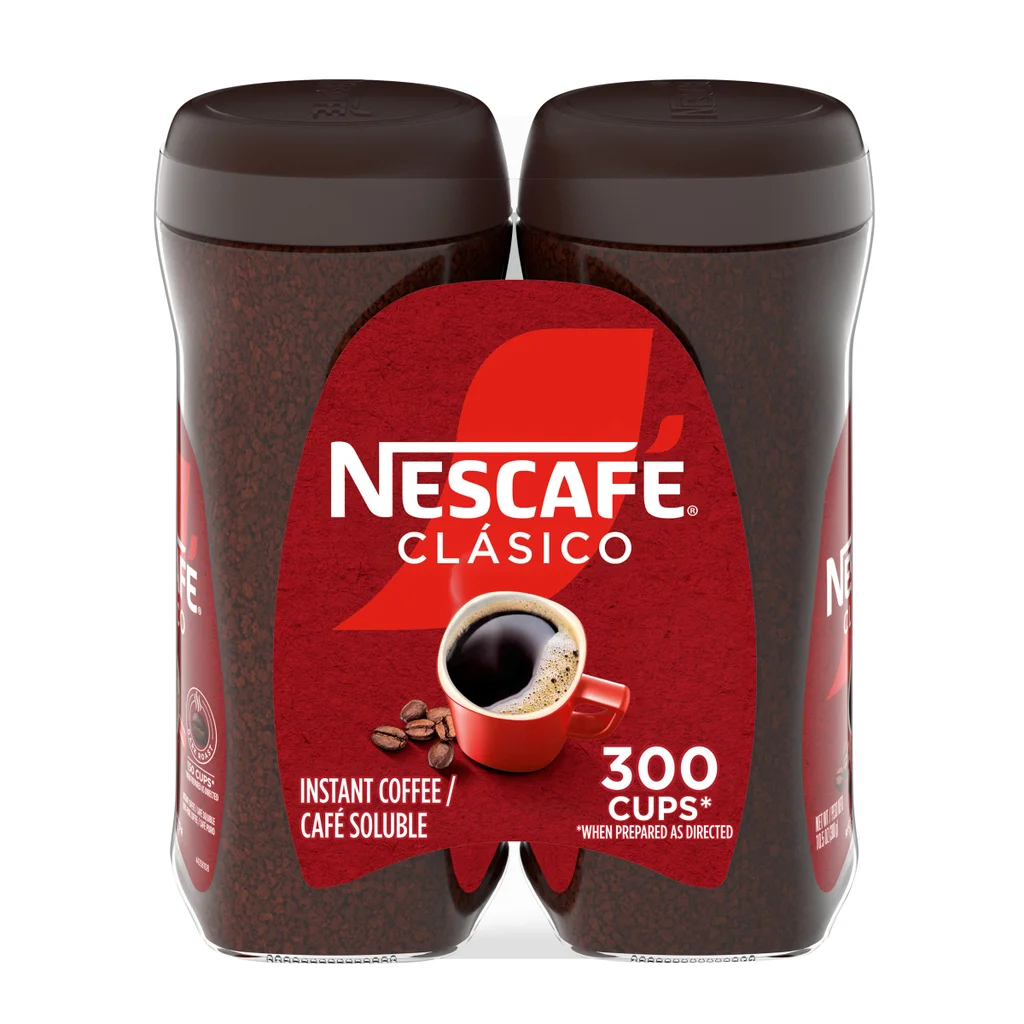
- Score: 8.0/10
- Taste: Simple, slightly bitter
- Edge: Affordable and accessible
Nescafé remains one of the most practical options for daily use. It prioritises consistency and affordability over complexity, which makes it ideal for large households, offices, or anyone on a budget.
Pros: Cheap, consistent
Cons: Lacks complexity
6. Bru Coffee
- Score: 7.8/10
- Taste: Strong, often blended with chicory
Bru Coffee is known for its bold taste, especially in milk-based preparations. The addition of chicory gives it a thicker body and a distinct flavour, which some people prefer, while others may find it too strong or different from pure coffee.
Pros:
- Strong flavour
- Affordable
Cons: Not pure coffee as it contains chicory
7. Four Sigmatic
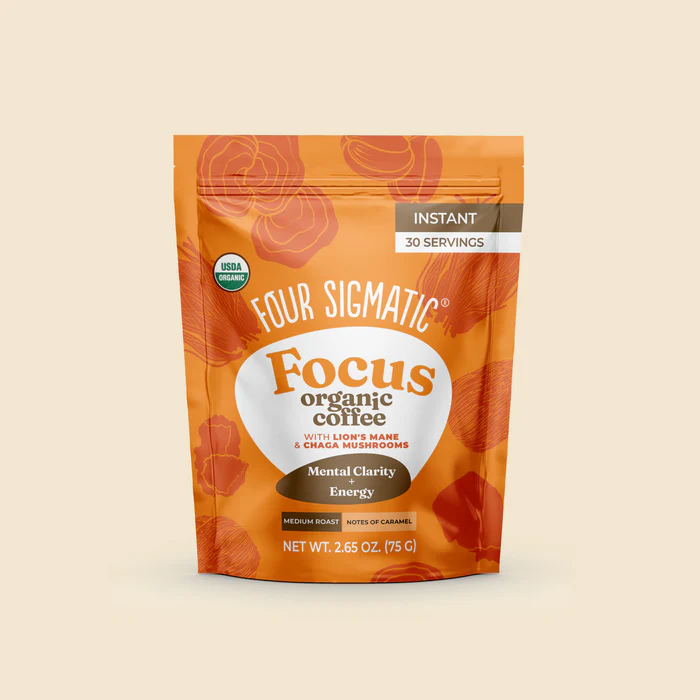
- Score: 7.7/10
- Taste: Earthy, mild
- Edge: Mushroom blends
Four Sigmatic targets health-conscious users who are looking for more than just caffeine in their coffee. The flavour is noticeably different from regular coffee, less bold, more earthy, which can be quite appealing or off-putting depending on the preference.
Pros:
- Added functional ingredients
- Lower caffeine option
- Smooth and easy on the stomach
Cons:
- Not a traditional coffee taste
- Expensive for the quantity
8. Jacob’s Kronung
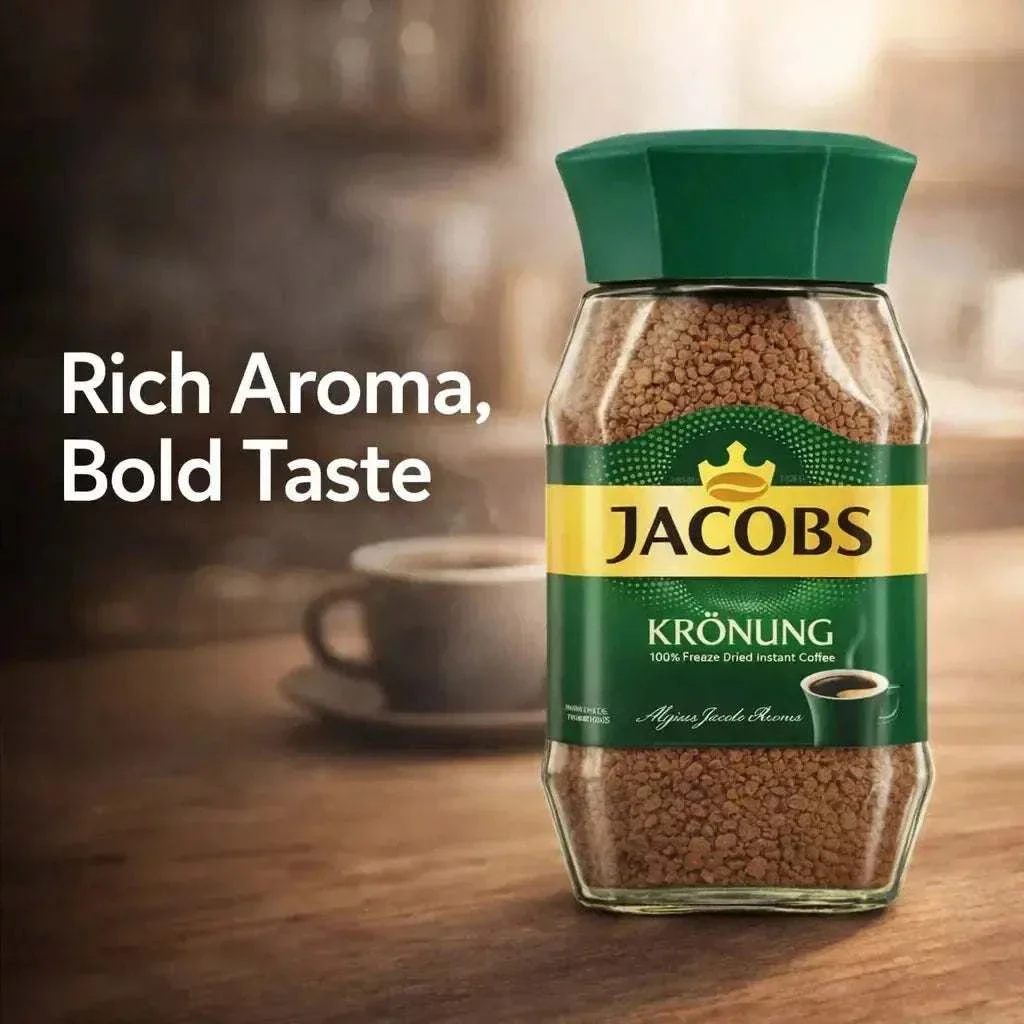
- Score: 7.6/10
- Taste: Balanced, slightly smooth European profile
- Edge: Classic German-style blend
Jacob’s Kronung delivers a mild, well-rounded cup without strong bitterness. It’s a safe middle-ground option for those who want something smoother than typical instant coffee.
Pros:
- Smooth and balanced
- Less bitterness than budget brands
Cons:
- Lacks distinct flavour notes
- Limited availability in some regions
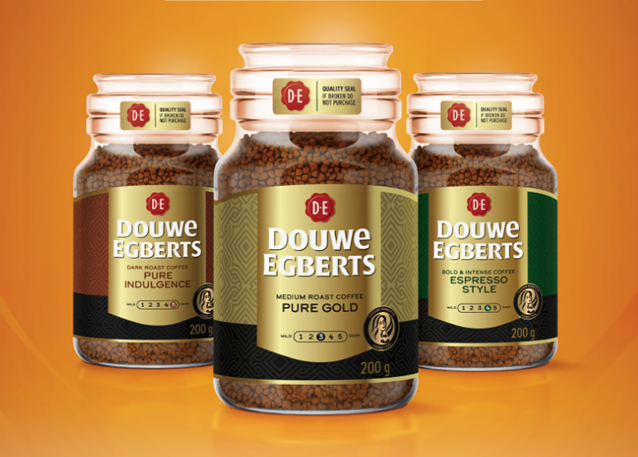
9. Douwe Egberts
- Score: 7.5/10
- Taste: Mild, approachable
- Edge: Consistent everyday coffee
This is a straightforward instant coffee designed for easy drinking. It doesn’t stand out in flavour complexity, but performs reliably for daily use.
Pros:
- Consistent taste
- Easy to drink
Cons:
- Flat compared to premium options
- Limited depth
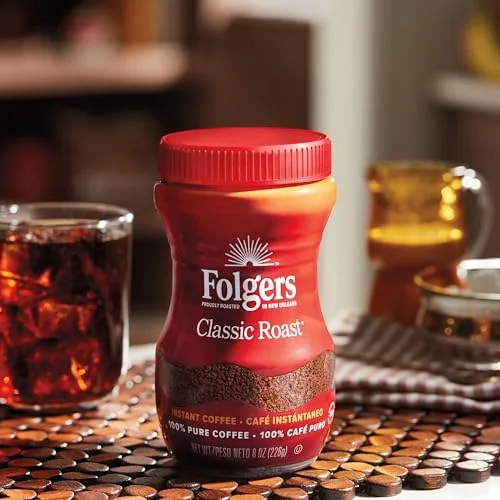
10. Folgers Instant
- Score: 7.2/10
- Taste: Basic, slightly bitter
- Edge: Budget-friendly and widely available
Folgers remains one of the most accessible instant coffees. It prioritises affordability and familiarity over flavour complexity.
Pros:
- Very affordable
- Easy to find
Cons:
- Noticeable bitterness
- Lacks aroma and richness
Sustainability Deep Dive
Sustainability in coffee is not just about farming; it includes processing, transport, packaging and waste. Instant coffee has a surprising advantage in several of these areas.
| Factor | Instant Coffee | Brewed Coffee |
| Water use (per cup) | Lower | Higher |
| Coffee required | Less | More |
| CO₂ (transport/storage) | Lower | Higher |
Because Instant coffee is concentrated and dehydrated, it requires you to have fewer beans per serving and reduces the shipping weight, which lowers the amount of emissions during transportation. It also eliminates the brewing waste, like used coffee grounds and paper filters.
However, the trade-offs come from industrial processing and packaging. Freeze drying is energy-intensive, and many instant coffee products rely on single-use agents or glass jars, which may not always be recycled properly.
Brands such as Mount Hagen focus on organic farming and fair trade sourcing, while Waka Coffee focuses on responsible packaging initiatives.
Key Takeaway:
Instant coffee can be more resource efficient per cup, but the most sustainable options mainly depend on the packaging choices and sourcing pratices, not just the format.
Health Facts: Toxins & Nutrition
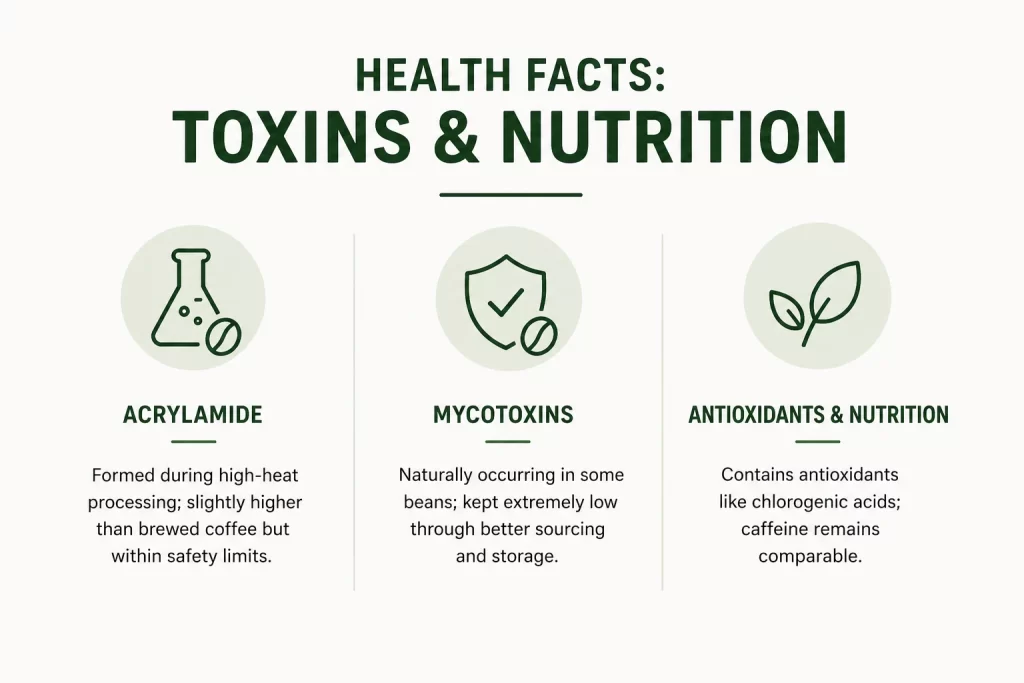
Instant coffee is usually questioned for its processing, but most concerns come down to the dosage and quality control.
Acrylamide
Acrylamide is a compound formed during high-heat processing. Instant coffee usually contains slightly higher levels than brewed coffee, but still well within established safety limits when consumed in moderation. Food safety authorities consider normal dietary exposure to acrylamide acceptable when consumed in moderation.
Mycotoxins
Mycotoxins are naturally occurring compounds which can appear in improperly stored coffee beans. In regulated markets, levels are strictly monitored and kept extremely low, which makes them safe for regular consumption. Higher-quality brands tend to have better sourcing and storage practices, which further reduces the risk.
Antioxidants & Nutrition
Instant coffee still contains antioxidants such as chlorogenic acids, though levels may be slightly reduced compared to freshly brewed coffee. Caffeine content remains comparable, which makes it effective for energy and focus. Caffeine intake can also influence hydration, stress response, and mineral balance over time.
Brands such as Purity coffee highlight the additional testing and quality standards, though the most mainstream brands already meet the safety guidelines.
For most people, instant coffee is a convenient and safe option without major health trade-offs.
2026 Trends & Hacks
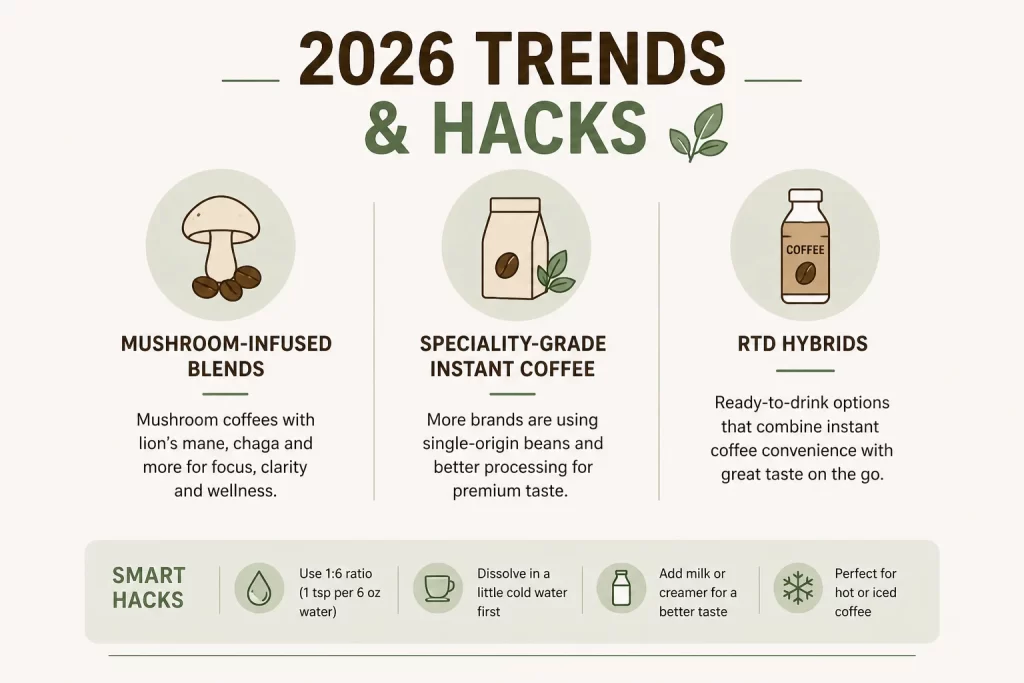
Instant coffee in 2026 is shifting from basic convenience to functional and premium experiences.
One of the major trends is the rise of mushroom-infused blends, led by brands like Four Sigmatic, which combine coffee with ingredients such as lion’s mane and chaga for added focus and wellness appeal. At the same time, speciality-grade instant coffee is growing, with more brands focusing on single-origin beans and improved processing.
Another emerging category is ready-to-drink (RTD) hybrids, where instant coffee meets bottled convenience, which provides you with both portability and better taste. You can also try unique recipes like this Diet Coke espresso shot recipe for a quick caffeine boost.
Smart Hacks to Improve Taste
- Use a 1:6 ratio (1 tsp per ~6 oz water) as a baseline
- For stronger coffee, double the amount instead of reducing the water
- Mix with a small amount of cold water first to dissolve evenly before adding hot water
- Add milk powder or creamer for a quick latte-style drink
Small adjustments in preparation can make a great difference, especially with mid-range instant coffees.
Conclusion & Buying Guide
Instant coffee has evolved into a category where small differences matter, especially in processing, sourcing, and freshness. The right choice is not about picking the most popular brand, but the one that fits how and when you actually drink coffee.
If you want consistency and convenience, Nescafé is still a safe everyday option. For cleaner sourcing and a more refined cup, Mount Hagen is a reliable upgrade. And if portability matters most, Waka Coffee provides you with one of the easiest grab-and-go formats.
Quick Buying Tips
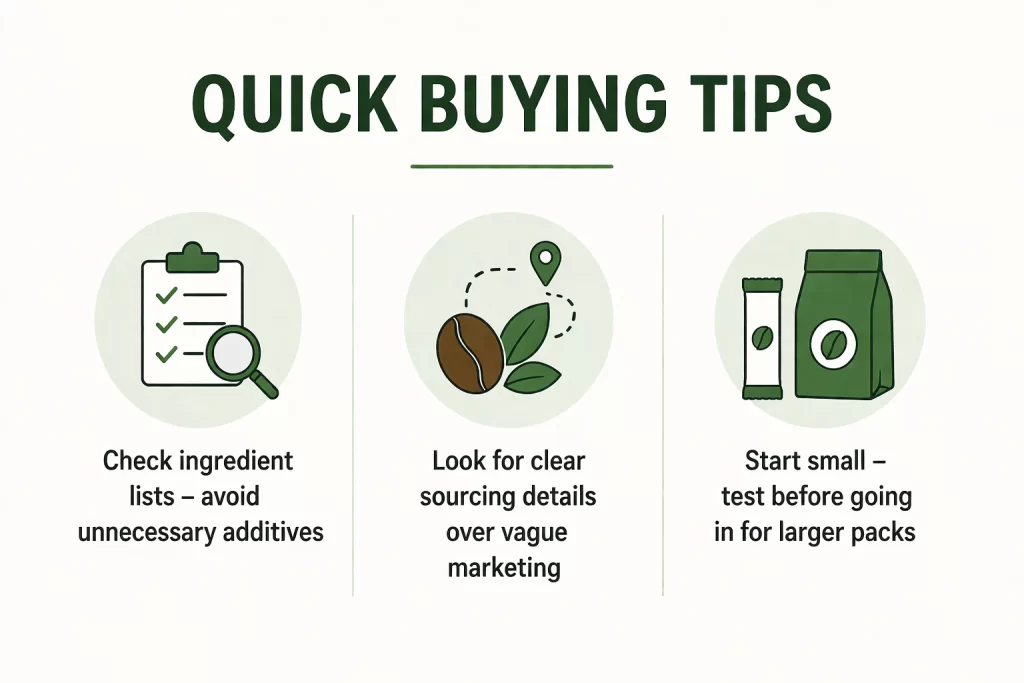
- Check ingredient lists – avoid unnecessary additives
- Look for clear sourcing details over vague marketing
- Start small- test before going in for larger packs
In the end, the best instant coffee is the one which fits your routine without compromising too much on taste.
FAQs
- Is instant coffee suitable for people with sensitive stomachs?
It can be, especially smoother and low-acid blends. Some users find instant coffee easier to digest because it’s less concentrated than some brewed methods, but this varies by brand and roast level.
- Why does some instant coffee taste sour or metallic?
This usually comes from lower-quality beans or over-extraction during processing. It can also happen if the coffee is stored improperly. Choosing better brands and adjusting your water ratio can reduce this issue.
- Does instant coffee expire or go bad?
Instant coffee has a long shelf life due to low moisture content. While it doesn’t spoil quickly, it can lose aroma and flavour over time, especially if exposed to air or humidity. Always store the coffee in an airtight container.
- Which instant coffee brand is healthiest overall?
Health depends more on sourcing and testing than the format itself. Brands that focus on clean beans and transparency, such as Purity Coffee, are usually preferred by health-focused users. Look for options with minimal additives and clear origin details rather than just the marketing claims.
- Can instant coffee be used in recipes?
Yes. It works well in baking (like brownies or cakes), desserts, and even savoury dishes. Because it dissolves easily, it’s usually preferred for recipes where you want to have coffee flavour without adding any extra liquid.